
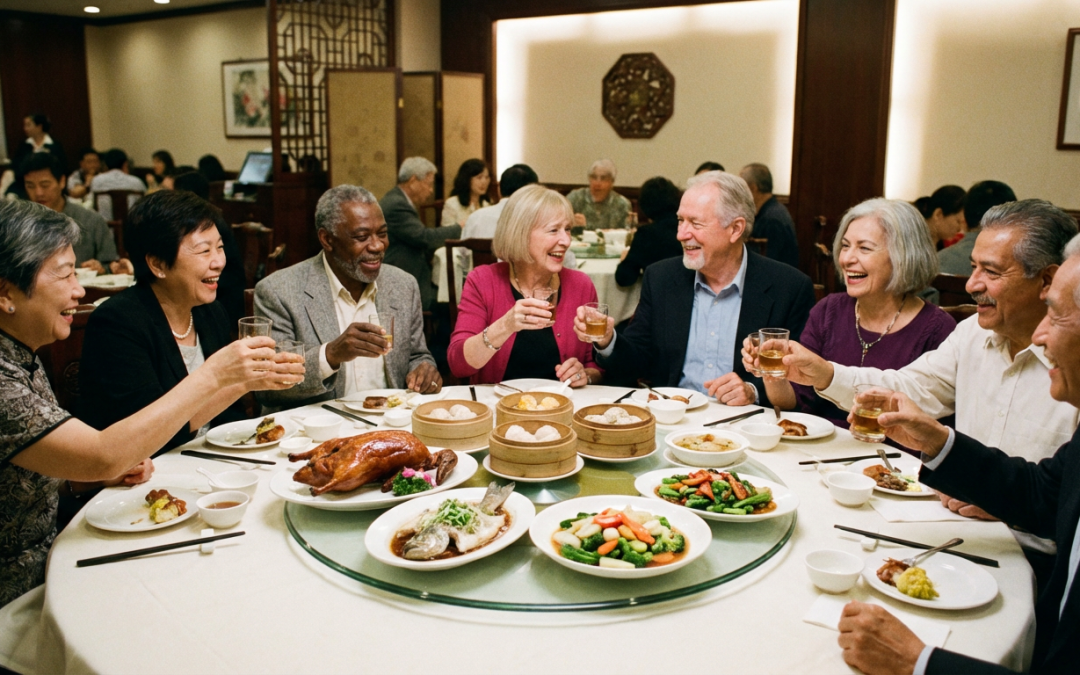
Key Executive Takeaways
- China’s regional cuisines offer diverse options suitable for mature palates and professional settings.
- Learning basic Mandarin for ordering and dietary needs improves the professional travel experience.
- Healthy, high-quality options like steamed and stir-fried dishes are widely available for health-conscious travelers.
For many well-traveled adults, food is one of the most memorable parts of any trip. If you have explored other parts of Asia—Japan, Thailand, Vietnam, or Singapore—you may be wondering how Chinese cuisine compares, and whether it will feel too unfamiliar or difficult to navigate. The reality is that traveling through China can be one of the most rewarding culinary experiences in Asia, especially when you take it at your own pace and learn a few key Mandarin phrases. For those visiting on business, our China Travel Checklist for Professionals provides essential prep for the digital economy.
This guide is designed for older and seasoned travelers who value comfort, clarity, and meaningful experiences over food “conquests.” We will explore regional flavors, practical ordering tips, and simple Mandarin that helps you communicate your preferences—so you can enjoy China’s food with confidence.
Why China Is a Standout Food Destination in Asia
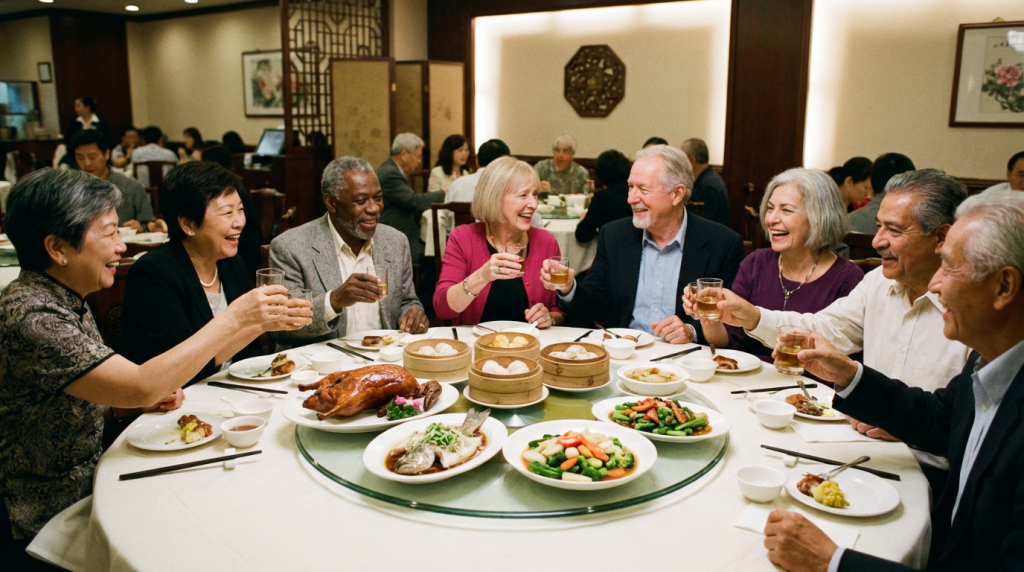
China’s food culture is remarkably diverse. Instead of one unified “Chinese cuisine,” you will find a wide range of regional traditions—light and delicate dishes in the east, bold and spicy flavors in the southwest, hearty noodles and dumplings in the north, and refined dim sum in the south. For mature travelers, this variety means you can tailor your meals to your tastes and comfort level.
- Choices for every palate – from mild, steamed fish to richly flavored braises and simple vegetable stir-fries.
- Flexible dining styles – quick noodle shops, neighborhood restaurants, and quiet hotel dining rooms.
- Plenty of familiar elements – rice, noodles, vegetables, and grilled meats that do not feel intimidating.
- Opportunities to explore – if you wish, you can gradually try bolder flavors and specialties.
Compared with some other Asia food destinations, China can seem less immediately “translated” into English. That is exactly why a little Mandarin, and a bit of guidance, can make your experience much smoother and more enjoyable.
Four Regional Tastes to Try (at Your Own Pace)
One useful way to think about Chinese food is by region. You do not need to memorize a map, but understanding a few key areas helps you decide what to look for—and what will likely suit your preferences.
1. Shanghai & the East: Gently Savory with a Hint of Sweet
In Shanghai and the surrounding eastern region, flavors tend to be balanced, with occasional hints of sweetness. This can be a wonderful place to start for travelers who prefer milder, comforting dishes.
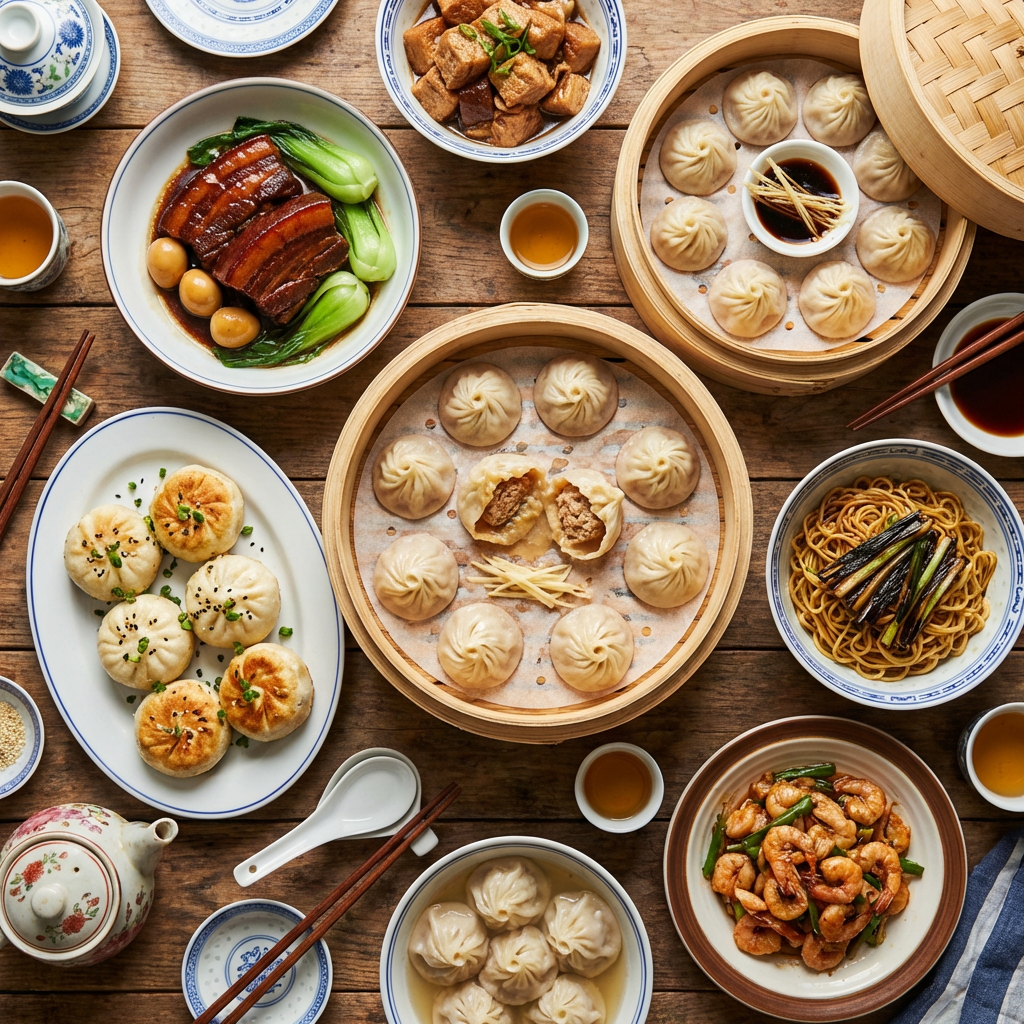
- 小笼包 (xiǎolóngbāo) – soup dumplings with delicate wrappers and a rich broth inside.
- 红烧肉 (hóngshāo ròu) – braised pork belly in a gently sweet, soy-based sauce.
- 清炒时蔬 (qīngchǎo shíshū) – lightly stir-fried seasonal vegetables, usually mild and easy to digest.
Many older travelers find this regional style comfortable, especially when paired with white rice and simple vegetable dishes.
2. Cantonese (Guangdong & Hong Kong): Clean, Subtle Flavors
Cantonese cuisine, common in Guangdong and Hong Kong and influential across Asia, is known for clean, subtle flavors that highlight fresh ingredients. Dishes are often steamed or lightly stir-fried.
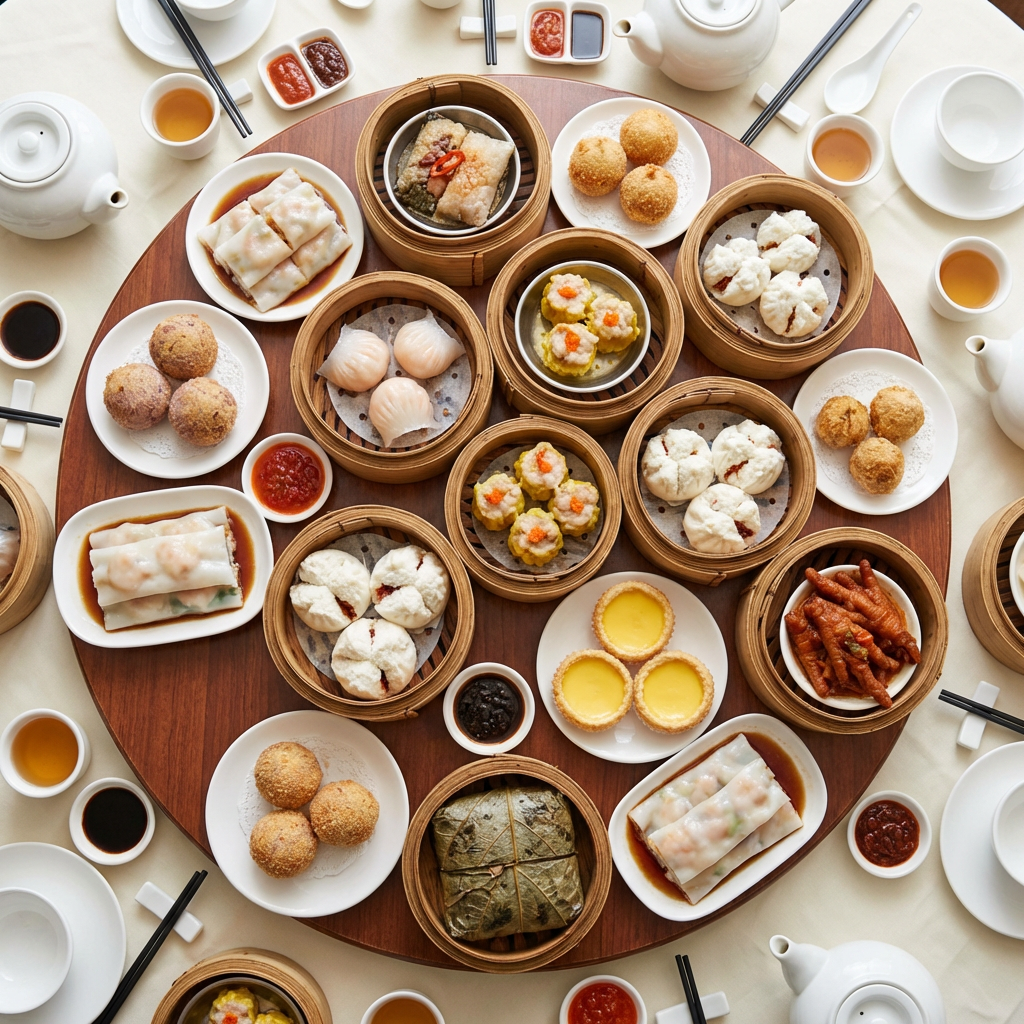
- 点心 (diǎnxīn) – dim sum, a variety of small dishes such as dumplings, buns, and rolls.
- 清蒸鱼 (qīngzhēng yú) – whole fish steamed with ginger and scallions.
- 白切鸡 (báiqiē jī) – simply prepared poached chicken, often served with dipping sauces.
If you appreciate the food culture of Hong Kong or Singapore, you will likely feel very at ease with Cantonese dishes in mainland China.
3. Sichuan: Fragrant, Spicy, and Surprisingly Adjustable
Sichuan cuisine (from the province of 四川, Sìchuān) is famous worldwide for its bold, spicy flavors and the tingling “numbness” of Sichuan peppercorns. Many seasoned travelers are curious about it but worry it will be too intense. Fortunately, there are ways to enjoy Sichuan food on your terms.
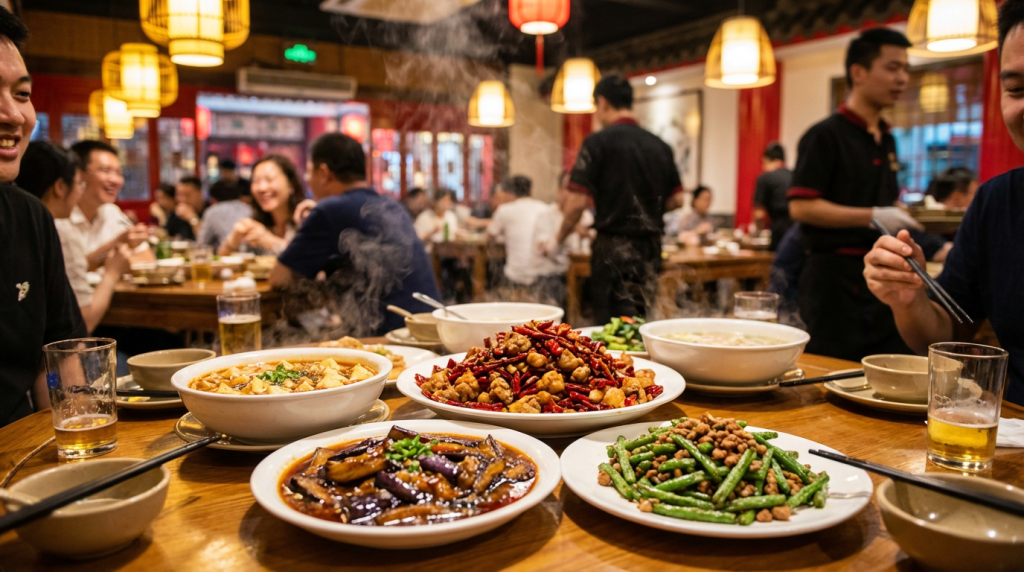
- 宫保鸡丁 (gōngbǎo jīdīng) – Kung Pao chicken, which can often be made less spicy on request.
- 麻婆豆腐 (mápó dòufu) – tofu in a spicy sauce; many restaurants can tone down the heat.
- 鱼香茄子 (yúxiāng qiézi) – eggplant in a flavorful sauce, sometimes spicy but deeply aromatic.
Mandarin phrases like “not too spicy” or “a little spicy is okay” are essential tools if you want to sample Sichuan flavors without overwhelming your palate.
4. Northern Comforts: Noodles, Dumplings, and Hearty Dishes
In northern China, wheat-based foods such as noodles and dumplings play a central role. Many travelers find this style especially comforting, with familiar textures and straightforward flavors.
- 饺子 (jiǎozi) – boiled dumplings, often filled with pork and vegetables.
- 牛肉面 (niúròu miàn) – beef noodle soup, which can be rich and satisfying without being overly spicy.
- 葱油饼 (cōngyóubǐng) – flaky scallion pancakes, excellent as a shared snack.
Practical Mandarin for Ordering with Confidence
You do not need to speak fluent Mandarin to eat well in China. A small set of practical phrases—what we focus on at Travel Ready Chinese—can help you ask for menus, express preferences, and avoid surprises.
Basic Restaurant Phrases
- 请给我菜单。 (qǐng gěi wǒ càidān.) – Please give me the menu.
- 请推荐一下。 (qǐng tuījiàn yíxià.) – Please recommend something.
- 我们一起点菜。 (wǒmen yìqǐ diǎn cài.) – We will order to share.
- 买单,谢谢。 (mǎidān, xièxie.) – The bill, please. Thank you.
Talking About Spice and Preferences
- 不要太辣。 (bú yào tài là.) – Not too spicy, please.
- 可以微辣。 (kěyǐ wēi là.) – A little spicy is okay.
- 我吃素。 (wǒ chī sù.) – I’m vegetarian.
- 我不能吃花生。 (wǒ bù néng chī huāshēng.) – I can’t eat peanuts.
Polite Phrases That Warm Up Interactions
- 这个很好吃。 (zhè ge hěn hǎo chī.) – This is very delicious.
- 谢谢你。 (xièxie nǐ.) – Thank you.
- 辛苦了。 (xīn kǔ le.) – Thank you for your effort / You’ve worked hard.
These simple sentences can transform a meal from a purely practical experience into a moment of connection—something many mature travelers value most about their journeys across Asia.
Eating Well While Taking Care of Your Health
As we get older, it becomes more important to balance culinary curiosity with comfort and health. The good news is that Chinese menus almost always offer options that are gentle on the stomach and compatible with common dietary priorities.
- Look for steamed dishes (蒸, zhēng) and stir-fried vegetables (炒, chǎo) instead of deep-fried items.
- Pair richer mains with plain rice and greens to keep meals balanced.
- Use Mandarin phrases to request less oil or less salt when needed:
- 可以少油吗? (kěyǐ shǎo yóu ma?) – Can you use less oil?
- 可以少盐吗? (kěyǐ shǎo yán ma?) – Can you use less salt?
As with any long-haul Asia trip, it is also wise to stay well hydrated, avoid overloading your schedule, and give yourself time to adjust to new flavors and routines.
How Learning Mandarin Enhances Your Food Experiences
In many Chinese cities and towns—whether you are in Shanghai, Yunnan, or beyond—English menus and staff are improving but not guaranteed, especially in the most interesting neighborhood restaurants. This is where even a modest amount of travel-focused Mandarin can dramatically improve your experience.
At Travel Ready Chinese, we focus on giving older and seasoned travelers the language tools to enjoy moments like:
- Ordering confidently in local restaurants instead of relying only on hotel dining rooms.
- Asking staff about ingredients when you have dietary needs.
- Chatting briefly with owners and servers who are delighted to hear you try Mandarin.
Our lessons emphasize clear pronunciation, practical phrases, and real-world situations you will actually encounter on a trip to modern China.
Planning a Food-Focused Trip That Matches Your Pace
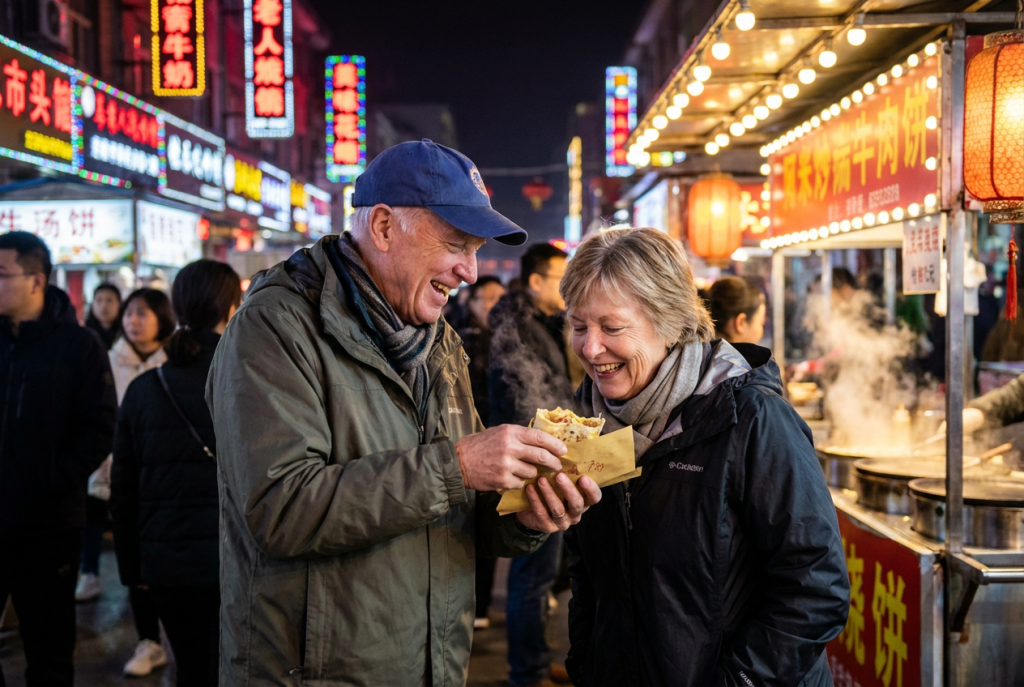
Rather than trying to “eat everything” in one short visit, consider a slower, more intentional approach to food in China:
- Choose two or three key cities or regions (for example, Shanghai, a Cantonese city, and a Sichuan destination).
- Plan longer stays in each place, with time to return to favorite restaurants.
- Mix simple neighborhood spots with a few special meals in well-regarded restaurants.
- Schedule rest after big meals—a walk along the river, a quiet hour in a tea house, or an early evening back at your hotel.
Compared with fast-paced food tours in other parts of Asia, this style of travel allows you to truly taste and remember what you are eating, rather than treating every dish as a quick photo opportunity.
Bringing It All Together: Modern China, Food, and Language
China is an extraordinary destination for food lovers, especially those who have already explored much of Asia and are looking for deeper, more nuanced experiences. By understanding a few key regional styles, learning practical Mandarin phrases, and pacing your days thoughtfully, you can turn each meal into a highlight rather than a source of stress.
If you are planning a trip to modern China—or weighing it alongside other Asia options—consider giving yourself the advantage of being “travel ready” in Mandarin. With focused preparation, you will not only eat better; you will also connect more personally with the people who prepare and share your meals.