
Key Executive Takeaways
- Shanghai is an approachable gateway to modern China with world-class premium facilities.
- Key professional attractions like the Bund and French Concession are easily accessible.
- Efficient modern transport and high-speed elevators make city navigation comfortable for executives.
For many well-traveled adults, Shanghai is the kind of city that still has the power to surprise. It is unmistakably modern China—sleek skylines, high-speed trains, world-class dining—yet layered with old lanes, riverfront promenades, and everyday neighborhood life that rewards slow exploration. Before your executive arrival, ensure your digital profile is ready with our Professional China Travel Checklist.
If you have already seen much of Asia and are wondering whether China will feel too hectic, too unfamiliar, or simply too late in life to tackle, Shanghai is an ideal place to begin. With thoughtful planning and a few key Mandarin phrases, it can be one of the most comfortable and intellectually engaging city breaks you have ever taken.
Why Shanghai Belongs on the Itinerary of Seasoned Travelers
Seasoned travelers tend to look for three things: comfort, depth, and a genuine sense of place. Shanghai offers all three in a distinctly modern Chinese setting.
A Gentle Introduction to Modern China
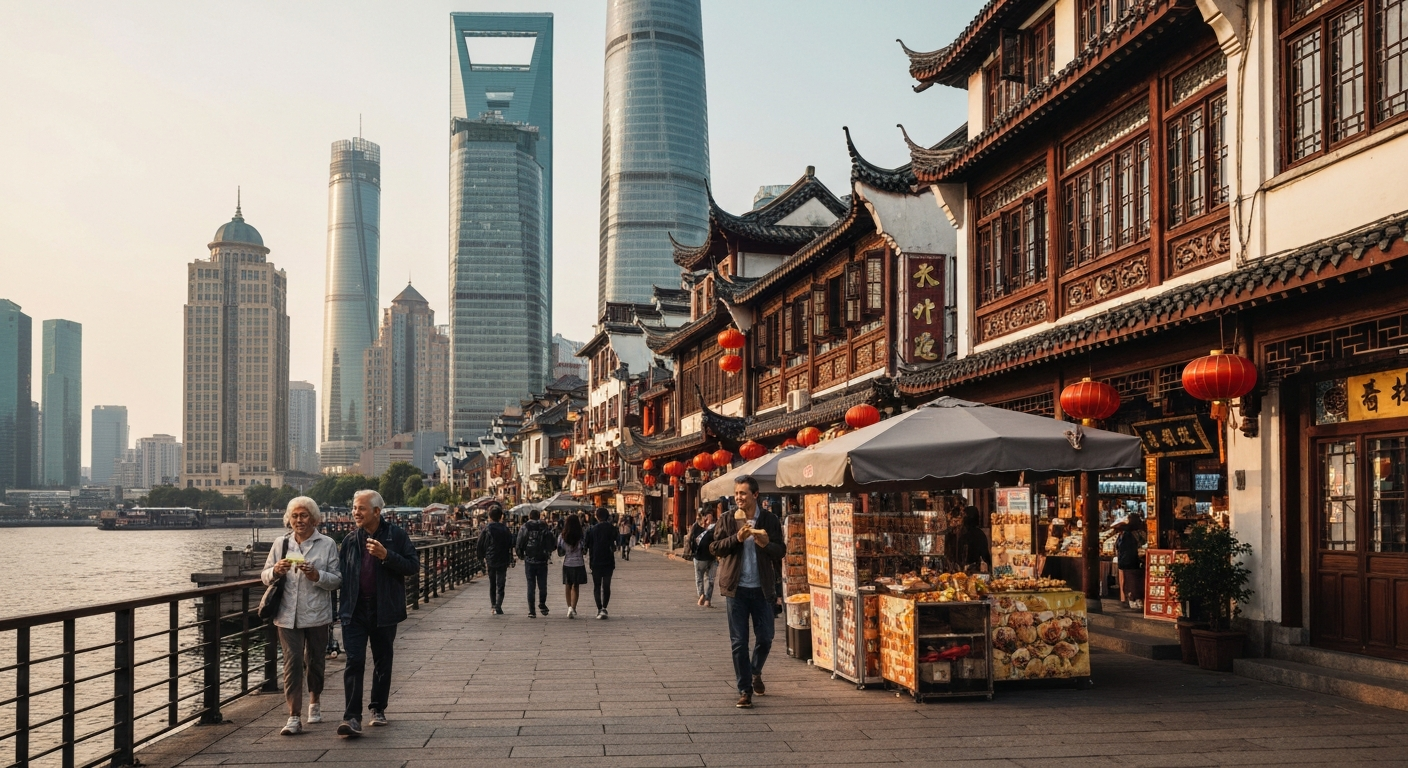
Compared with many other cities in mainland China, Shanghai is particularly approachable for older visitors:
- Central districts that are easy to navigate on foot or by short taxi rides
- Well-developed hotel options, from international brands to historic riverside properties
- Signage in both Chinese and English in most major areas and metro stations
- Dining options that range from simple neighborhood eateries to refined, reservation-only restaurants
For travelers familiar with cities like Hong Kong, Singapore, or Tokyo, Shanghai feels like a natural next step into mainland China, with just enough familiarity to feel manageable—and enough difference to be exciting.
The Bund: Classic Shanghai for First-Time Visitors
If you have ever seen a postcard of Shanghai, it probably came from the Bund (外灘, Wàitān)—the historic waterfront promenade along the Huangpu River. On one side, stately European-style buildings recall Shanghai’s early 20th century past; on the other, the futuristic skyline of Pudong glows with neon and LED displays.
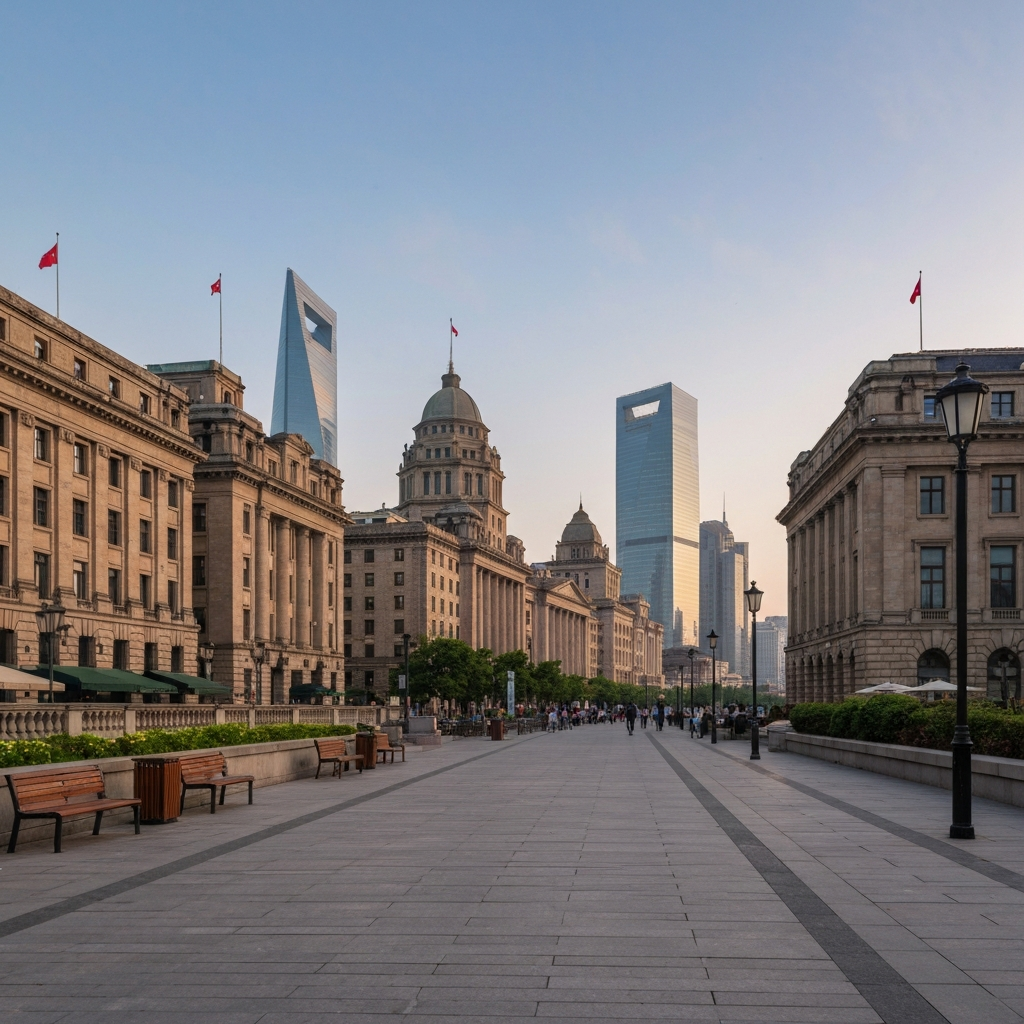
For older travelers, the Bund works beautifully as a low-effort, high-reward experience:
- Wide, mostly level walking paths with plenty of benches
- Easy photo opportunities without the need for strenuous climbing
- Comfortable viewing both day and night, especially around sunset
- Nearby cafes and hotel lounges where you can rest while still enjoying the view
A simple evening plan might include a gentle stroll, a river cruise to see the illuminated skyline, and a quiet drink back at your hotel—an ideal first night in China that shows off its modern face without demanding too much energy.
The Former French Concession: Tree-Lined Streets and Café Culture
Just a short ride away from the Bund, the Former French Concession (老法租界, lǎ o Fǎ zūjiè) offers a very different side of Shanghai. Here you will find leafy streets, low-rise buildings, independent boutiques, and a surprising number of quiet cafes and wine bars.
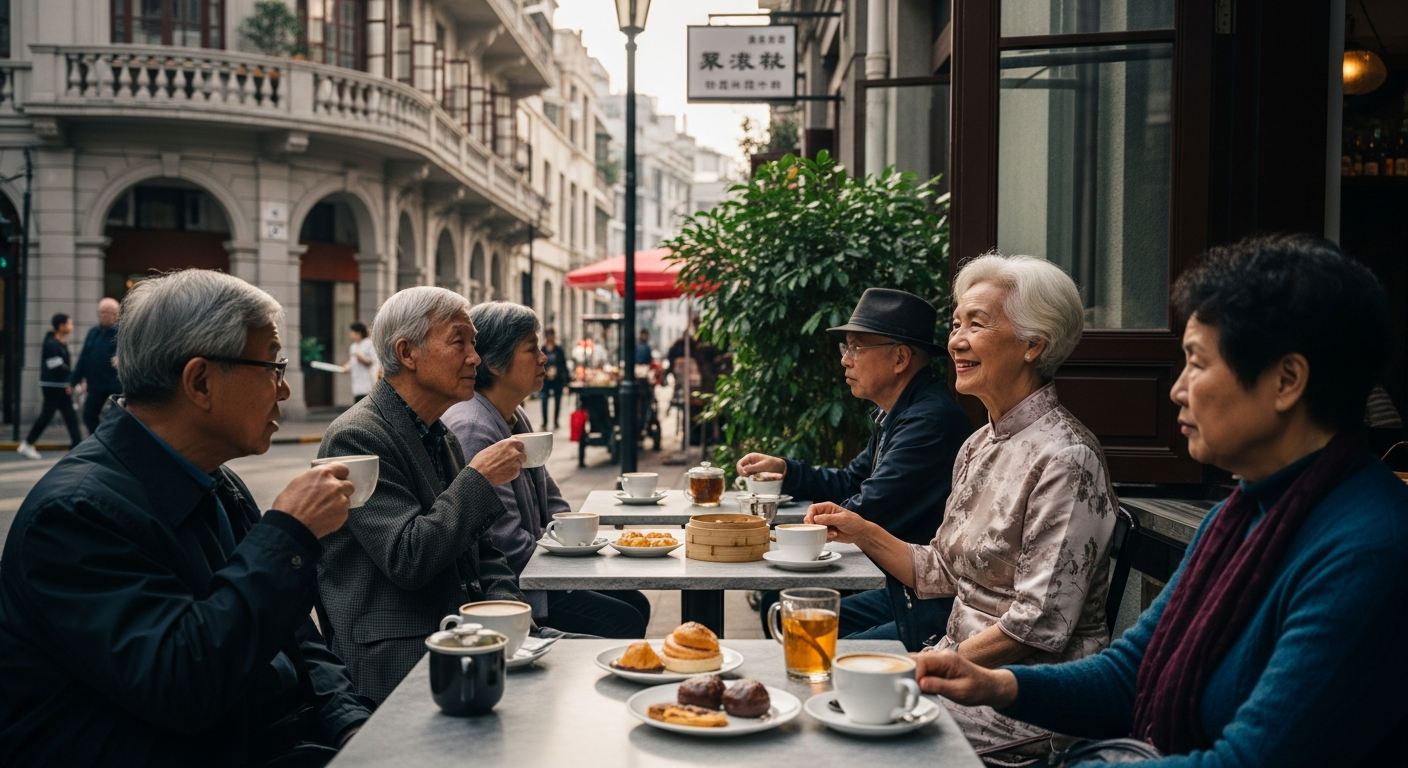
This area is especially appealing for seasoned travelers who enjoy:
- Slow, unstructured days with time for people-watching
- Mixing local life with a touch of European-influenced architecture
- Stopping frequently for coffee, tea, or a light lunch
- Photography without crowds pushing you along
It is also one of the easiest neighborhoods for first-time visitors to navigate independently, using a combination of taxis, car-hailing apps, or the metro for shorter distances.
Pudong: Skyscrapers, Sky Decks, and High-Speed Elevators
Across the river from the Bund, the Pudong skyline showcases Shanghai’s most iconic modern buildings: the Oriental Pearl TV Tower, Shanghai Tower, and Jin Mao Tower, among others. Even if you are not usually drawn to observation decks, the contrast between this futuristic cluster and the historic Bund is striking.
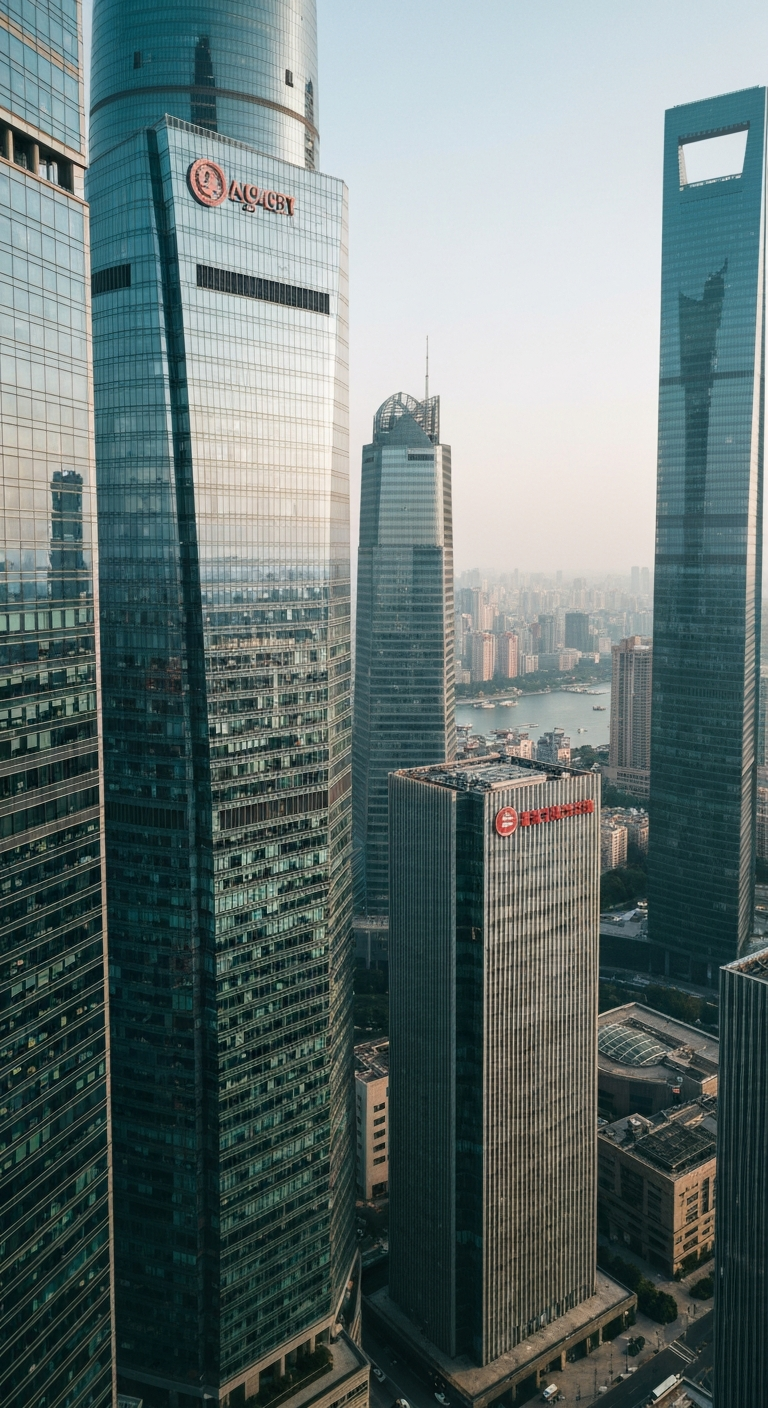
Observation decks in these towers are generally well organized, with elevators rather than stairs, and clear queuing systems. For those who prefer to avoid crowds, visiting earlier in the day or on weekdays can make the experience more relaxed.
For many older travelers, Pudong is a reminder that China today is not just historical sites and rural landscapes. It is also a leading player in finance, design, and technology across Asia and the world.
Comfortable Ways to Get Around Shanghai
One of Shanghai’s greatest strengths for older visitors is its modern transport infrastructure. You can choose the mix of independence and support that suits your travel style and energy level.
Taxis and Ride-Hailing
Traditional taxis are plentiful in central Shanghai, and ride-hailing services are widely used by locals. For many older travelers, this is the most comfortable way to move between districts, especially in the evenings.
Because many drivers speak limited English, having a few key phrases and your destination written in Chinese can make every ride smoother—something we focus on at Travel Ready Chinese.
The Shanghai Metro
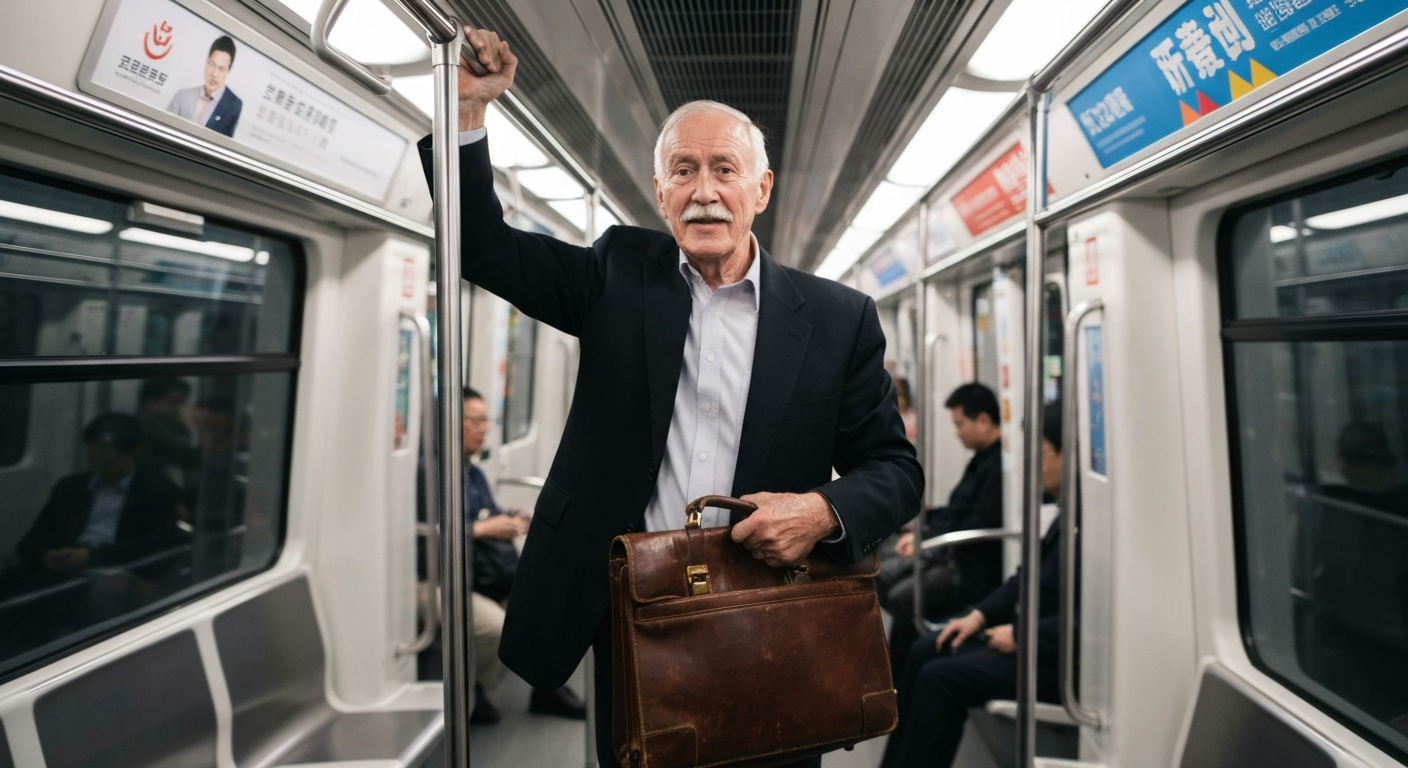
The metro system is extensive, clean, and clearly signed in both Chinese and English. Elevators and escalators are common in newer stations, though not universal. If you are comfortable with subways in other major cities, you may find Shanghai’s metro very manageable, especially outside peak commuting hours.
A Taste of Shanghai’s Food Scene (Without Overwhelm)
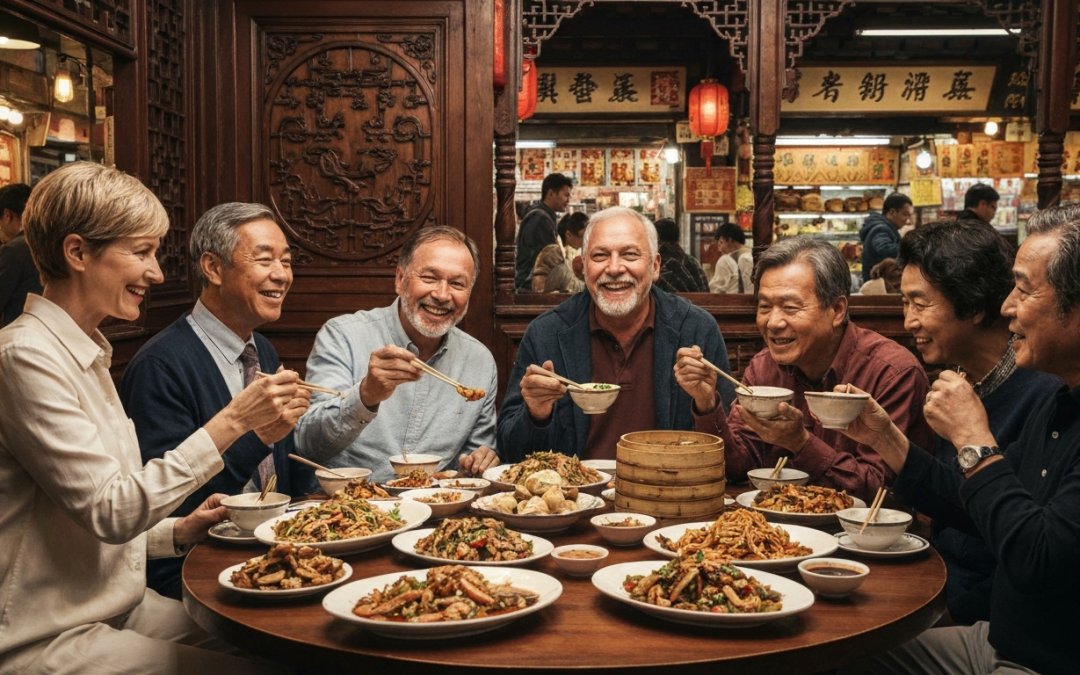
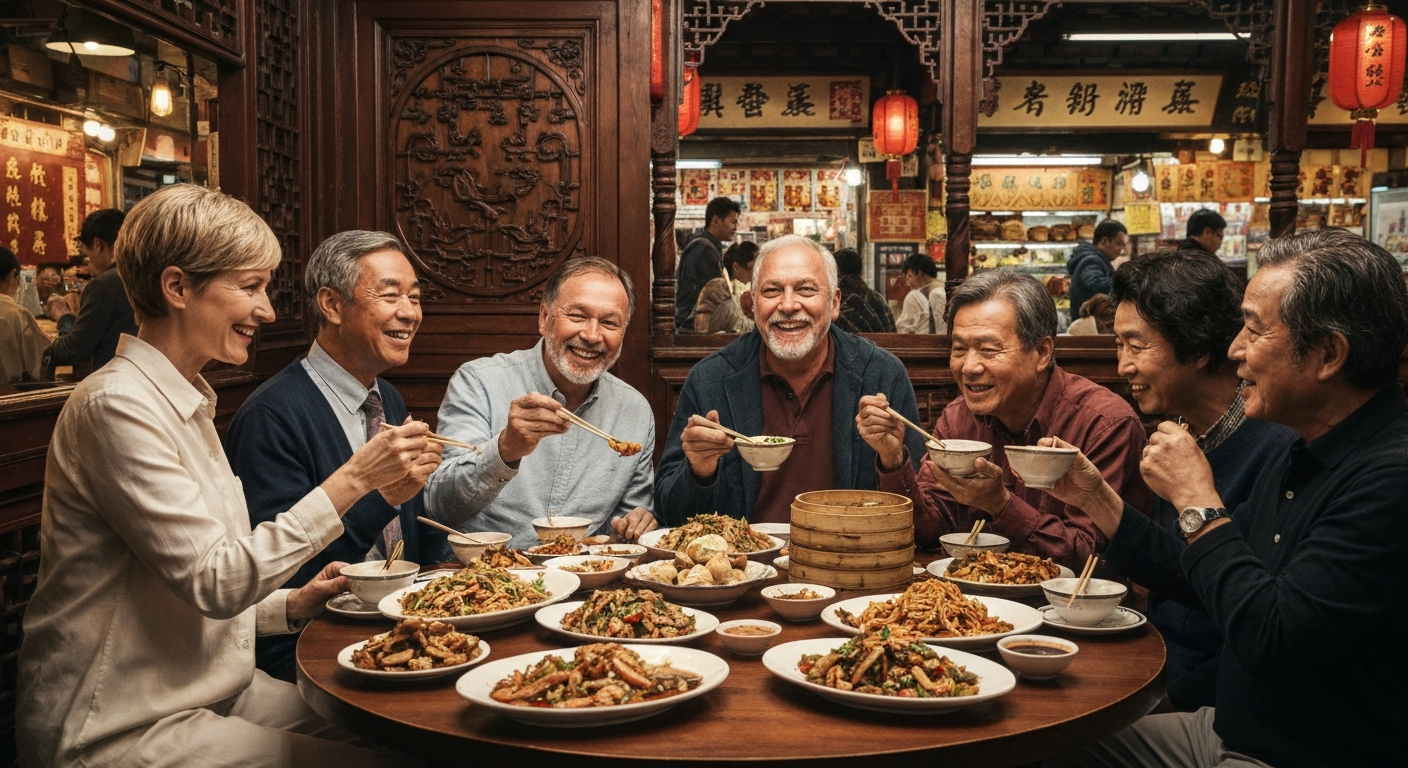
Shanghai is a wonderful city for travelers who enjoy exploring food—but prefer to do so with some sense of control and comfort. You can find everything from simple noodle shops to elegant river-view dining rooms. For an in-depth look at professional dining, see our Professional Food Guide.
Dishes to Look For
- 小笼包 (xiǎolóngbāo) – delicate soup dumplings, often served in bamboo baskets
- 生煎包 (shēngjiānbāo) – pan-fried buns with a crispy bottom and juicy filling
- 紅燒肉 (hóngshāo ròu) – braised pork belly in a gently sweet, rich sauce
- 清炒時蔬 (qīng chǎ o shīshú) – lightly stir-fried seasonal vegetables, easy on the stomach and full of flavor
If you have dietary needs or simply prefer milder food, learning how to say “not too spicy” or “I don’t eat” with certain ingredients in Mandarin can make ordering much less stressful.
Practical Mandarin for Enjoying Shanghai
You do not need to be fluent to have a richer, smoother experience in Shanghai. A small set of well-chosen phrases—what we call “travel ready” Mandarin—can help you handle everyday situations and create warmer connections with locals.
Essential Greetings and Politeness
- 你好 (nǐ hǎ o) – Hello
- 謝謝 (xièxie) – Thank you
- 不好意思 (bù hǎ o yìsi) – Excuse me / Sorry (polite, often used when getting someone’s attention)
- 再見 (zàijiàn) – Goodbye
Getting Around
- 外灘 (Wāitān) – The Bund
- 浦東 (Pǔdōng) – Pudong (the modern financial district)
- 地鐵站在哪裡?(dìfǎ i zhàn zài nǎ lǐ?) – Where is the metro station?
- 請帶我去這裡。(qǐng dài wǒ qù zhèlǐ.) – Please take me here. (Useful when showing a driver an address.)
In Restaurants and Cafés
- 請給我菜單。(qǐng gěi wǒ càidān.) – Please give me the menu.
- 不要太辣。(bú yào tài là.) – Not too spicy, please.
- 我吃素。(wǒ chī sù.) – I’m vegetarian.
- 徨好吃,謝謝。(hěn hǎ o chī, xièxie.) – It’s very delicious, thank you.
These phrases may look unfamiliar at first, but with audio and focused practice—exactly what we provide at Travel Ready Chinese—they become surprisingly natural. More importantly, they unlock interactions that many visitors to Asia never get to experience.
Planning a Shanghai Stay That Matches Your Pace
Instead of packing your itinerary with nonstop sightseeing, consider a slower rhythm that balances activity and rest. Many older travelers find that this approach actually leads to deeper memories and more meaningful conversations.
- Choose 2–3 key districts—for example, the Bund area, the Former French Concession, and Pudong—and explore them thoroughly rather than chasing every attraction in the guidebook.
- Alternate busy days with gentler ones, such as a museum visit followed by time in a park or tea house.
- Use taxis and ride-hailing when you are tired instead of pushing yourself to walk long distances.
- Schedule flexible time for simply sitting in a cafe, watching daily life unfold around you—often the most rewarding “activity” in a new city.
Why a Little Mandarin Makes Shanghai (and the Rest of Asia) More Rewarding
For many travelers comparing destinations across Asia—Tokyo, Bangkok, Singapore, Seoul—Shanghai stands out because a little language goes a very long way. In many everyday situations, English alone will only take you so far, but a few words of Mandarin invite smiles, help, and sometimes surprising conversations.
At Travel Ready Chinese, we specialize in practical Mandarin for travelers who value meaningful experiences over checklist tourism. Our approach is designed for mature learners who want:
- Focused, real-world phrases instead of abstract grammar drills
- Clear audio and pronunciation support so you feel confident speaking
- Scenarios built around actual trips—checking into hotels, ordering food, buying tickets, and more
If Shanghai is on your list—or if you are weighing it against other parts of Asia—consider giving yourself the extra advantage of basic Mandarin before you go. It can transform a visually impressive city into a place where you genuinely connect with the people who live there.
Shanghai rewards the kind of traveler who has seen a great deal of the world and is still curious. With a thoughtful itinerary, comfortable pacing, and a few well-practiced phrases, it may become one of the most memorable chapters in your travel story.