
Key Executive Takeaways
- China’s high-speed rail and premium hotels offer world-class, professional infrastructure.
- Targeted travel Mandarin provides a high ROI for building professional connections and respect.
- Modern China offers a unique, intellectually engaging overlap of tradition and ultra-modernity.
For many older adults and seasoned travelers, China has long been on the “someday” list: fascinating, vast, maybe a little intimidating, and always easy to postpone. But today, China is more accessible, comfortable, and rewarding than ever—especially for mature and well-traveled visitors. Before you begin your journey, we recommend reviewing the Professional China Travel Checklist to ensure you are fully prepared.
If you’ve already seen much of the world and are wondering where still has the power to surprise, challenge, and delight you, China deserves to move from “maybe later” to “next.”
1. China Offers the One Thing Experienced Travelers Crave: True Novelty
After years of travel, it’s easy to feel like destinations are starting to blend together—another historic center, another trendy café, another picturesque beach. China, however, is different in magnitude and in kind.

A Different Scale of Diversity
China is a continent-sized country with:
- Ancient capitals like Beijing, Xi’an, and Nanjing that feel like living museums
- Ultra-modern megacities like Shanghai and Shenzhen that rival any global metropolis
- Ethnic minority regions like Yunnan, Guizhou, and Xinjiang with distinct languages, foods, and traditions
- Natural landscapes ranging from karst mountains in Guilin, to Tibetan plateaus, to subtropical coastlines in the south
For a well-traveled person, China isn’t just another country—it’s dozens of very different trips in one.
2. Travel Infrastructure Has Improved Dramatically
China 20–30 years ago and China today are very different places for visitors. If you’ve been hesitating because of comfort or logistics, it’s worth taking a fresh look.

High-Speed Rail That Puts Europe to Shame
China’s high-speed rail network is one of the most extensive and efficient in the world:
- Speeds of 250–350 km/h (155–217 mph)
- Clean, comfortable trains with clear signage and assigned seating
- Connections between major cities that are often faster than flying once you include airport transfers
For older travelers, this means:
- Less time in airports and security lines
- More comfortable journeys with space to walk around
- Easy point-to-point travel between cities that used to require overnight trains or complicated flights
Hotels and Facilities for Every Comfort Level
From luxury international chains to boutique courtyard hotels in historic districts, you can choose:
- Western-style comforts if you prefer familiarity
- Character-filled local guesthouses if you want immersion
Many hotels in major cities now:
- Have English-speaking staff
- Understand accessibility needs much better than in the past
- Are accustomed to older and retired travelers
3. It’s an Intellectually Engaging Destination
China isn’t just visually or culturally striking—it’s mentally stimulating, especially for travelers with a lifetime of curiosity.
A Living Timeline of Human History
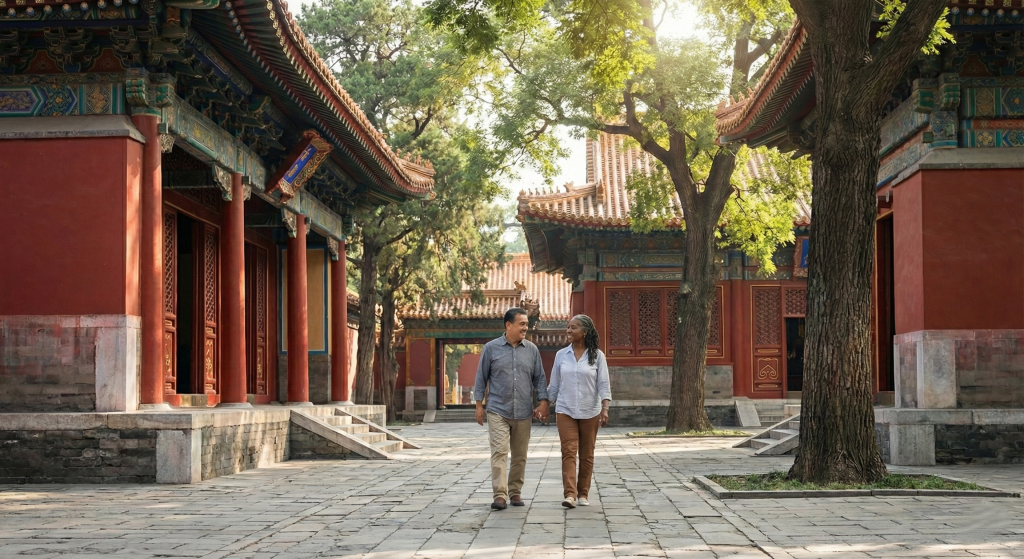
China offers a near-continuous historical record stretching back thousands of years:
- The Great Wall, Terracotta Warriors, and Forbidden City are just the beginning
- Ancient philosophies—Confucianism, Daoism, Buddhism—still inform modern social norms
- You can see how dynasties, revolutions, and rapid modernization all layer on top of one another
For older adults who have studied history, politics, or world affairs over the decades, visiting China can feel like walking through the pages of a textbook—only far more complex, nuanced, and alive.
A Chance to See Change in Real Time
China is one of the few places where you can see:
- Villages turning into towns
- Towns turning into cities
- Traditional lifestyles adapting to technology almost overnight
If you’ve traveled widely, you’ll notice how China’s development is similar to and different from changes you’ve seen in other countries. It’s a rich destination for reflection and comparison.
4. Travel at Your Own Pace Is Very Possible
There’s a persistent myth that China is “too intense” or “too tiring” for older travelers. In reality, you can design a trip that’s as relaxed or energetic as you like.
City Stays with Gentle Day Trips
Instead of changing hotels every night, you can:
- Base yourself in Beijing, Shanghai, or Chengdu
- Take guided day trips to nearby sights (Great Wall, watertowns, panda centers, historic temples)
- Return to the same comfortable bed and neighborhood each night
This style of slow, hub-and-spoke travel works particularly well for:
- Travelers who prefer fewer luggage moves
- Those who want to build rest days into the itinerary
- Couples or friends traveling together at different energy levels
Accessibility and Comfort Considerations
While not perfect, accessibility is improving:
- Major attractions often have escalators, lifts, and alternate routes
- High-speed rail and newer subway systems are generally clean, modern, and relatively easy to navigate
- You can opt for private drivers and guides for days where public transport feels like too much
With realistic planning, China can be much more comfortable than many expect.
5. Culinary Adventure That You Can Still Control
China’s food culture is reason enough to visit, especially for curious eaters—but you don’t have to be reckless with your digestion to enjoy it.

Regional Cuisines to Explore
You likely already know “Chinese food” from home, but in China you’ll discover it’s actually many distinct cuisines:
- Cantonese (Guangdong) – lighter, subtle flavors, lots of seafood and steamed dishes
- Sichuan – famous for its numbing peppercorns, but also home to mild, fragrant dishes
- Shanghai and Jiangnan – slightly sweet, mellow, beautifully presented dishes
- Northern cuisines – noodles, dumplings, hearty wheat-based foods ideal for cooler weather
For experienced travelers, tasting your way across China can be a highlight of the entire trip.
Eating Well Without Taking Big Risks
If you’re more cautious:
- Stick to busy restaurants with high turnover
- Choose cooked dishes served hot rather than raw or street-side items if you’re concerned
- Learn a handful of basic phrases to express preferences and sensitivities
Even a little Mandarin can go a long way in keeping you comfortable at the table. For comprehensive advice on business dining, see our Executive Support options.
6. A Perfect Opportunity to Learn (or Use) Some Mandarin
Older adults and lifelong learners are often surprised at how rewarding it feels to tackle a new language—even a challenging one like Mandarin Chinese.

Why Language Matters More in China
Unlike in some tourist-saturated destinations, many everyday interactions in China still happen primarily in Chinese, especially:
- In local restaurants
- In smaller cities or neighborhoods
- At markets, stations, and in taxis
Knowing even a small amount of Mandarin can:
- Reduce stress in daily logistics
- Create warm, memorable interactions with locals
- Give you a sense of accomplishment every single day
“Travel Ready” Language, Not Textbook Chinese
You don’t need to become fluent. Focus on:
- Core phrases for greetings and politeness
- Key questions and answers for ordering food, buying tickets, and asking directions
- Numbers, dates, and times for transport and payments
This kind of targeted, practical language learning is ideal for mature learners—especially when it’s tied directly to a trip you’re excited about.
7. Human Connections That Cross Generations and Cultures
One of the most underestimated aspects of travel in China is how much older visitors are respected and welcomed.

Respect for Age and Experience
Traditional Chinese culture places a strong emphasis on respecting elders:
- You may find that younger people are especially patient and helpful
- Locals often show real appreciation when visitors take interest in their culture and language
- Your age can actually be an advantage in starting conversations and forming connections
For well-traveled older adults, this can feel very different from some Western cities where aging sometimes makes travelers feel less visible.
8. Why “Now” Is Better Than “Someday”
China is changing rapidly. Places you visit today won’t be the same in 10 or 15 years, and some experiences will fade as modernization continues.

See the Contrast While It Still Exists
Right now, you can still:
- Spend a morning in a traditional neighborhood and an afternoon in a futuristic financial district
- Visit old markets that coexist with modern shopping malls
- Watch older residents practicing tai chi in parks while students face-recognize into their smartphones nearby
This overlap of old and new is one of the most fascinating things about China today—and it won’t last forever in its current form.
Your Travel Window Matters Too
For many older adults, there’s a very real “sweet spot”:
- You have more time and often more flexibility than earlier in life
- You may have better financial resources than in your younger backpacking years
- You still have the health, energy, and curiosity to enjoy a demanding destination
Waiting indefinitely can mean missing the period when China—and you—are both ready for each other.
9. Practical Tips for Older Adults Planning a Trip to China
To make your trip enjoyable and low-stress, consider:
- Start with 2–3 main bases
- For a first trip: Beijing, Shanghai, and either Xi’an or Chengdu work well
- Use day trips to reduce constant packing and unpacking
- Build in rest days
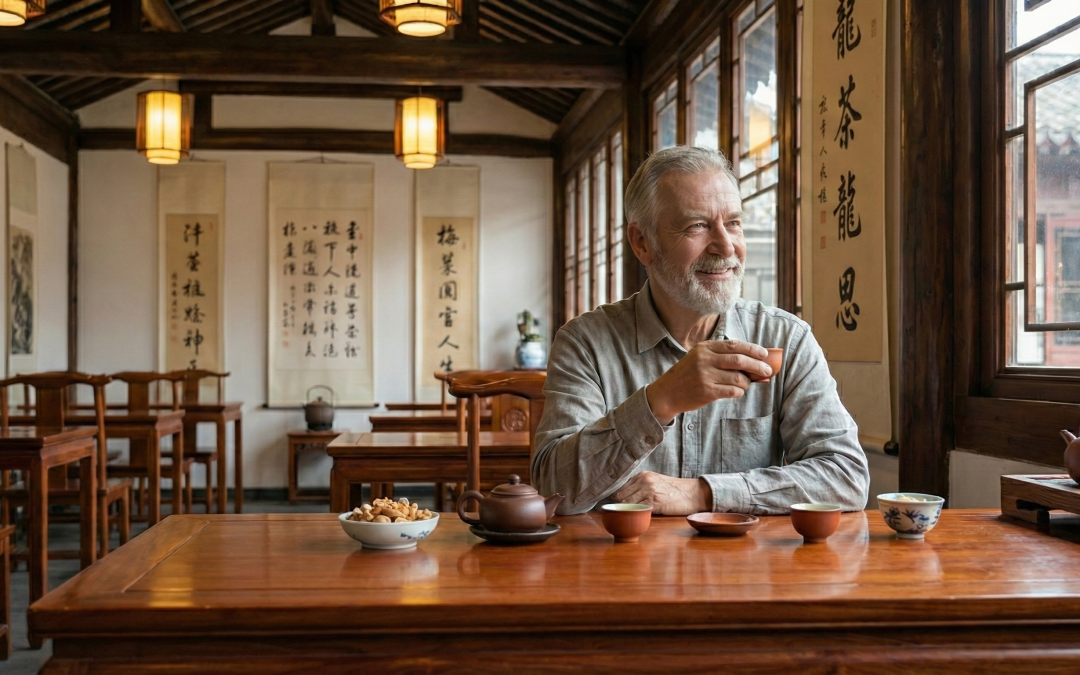
- Alternate intense sightseeing days with lighter ones: parks, tea houses, museums
- Leave flexibility for weather, jet lag, and how you feel in the moment
- Use high-speed rail strategically
- Replace domestic flights where possible
- Book first-class or business class for more space if your budget allows
- Prepare with targeted language learning
- Focus on practical travel Chinese, not abstract grammar
- Practice key scripts: checking into a hotel, ordering food, asking for the restroom, buying tickets
- Travel with support if desired
- Consider a private guide for your first couple of days in each city
- Use organized day tours for complex sites
10. Let China Be Your Next Big Chapter, Not a Missed One
For older adults and well-traveled explorers, China is not a risky, out-of-reach destination. It’s a rich, deeply rewarding place where your life experience, curiosity, and patience are assets—not obstacles.
It offers:
- The novelty and challenge seasoned travelers still crave
- The comfort and infrastructure that make trips manageable at any age
- The cultural and linguistic depth to keep you engaged long after you return home
If China has been on your “someday” list for years, consider this your invitation to move it up. With thoughtful planning, realistic pacing, and a bit of language preparation, exploring China today can become one of the most meaningful journeys of your life.